-
 After nearly a week of deliberations and a last-ditch appeal from the defense to the Supreme Judicial Court, the jury of nine women and three men failed to reach a verdict as to whether Lindsay Clancy, 36, should be held criminally responsible for her children's deaths.
 -
 We hear live music with Kimaya Diggs, check out the programming at Adams Theater, and find out about the vital grief support Rick's Place is providing in the 413.
 -
 The Trump Administration's financial threats against hospitals providing gender-affirming care to youth have not come to fruition, after court action by states. But Baystate Health is still not restarting its treatment.
 -
 The Ghanaian-American novelist discusses using Boston to frame her characters' search for authenticity and a quiet reprieve from elite spaces.
 -
 The former Longmeadow resident shares how the 2018 Hawaii alert inspired his western Mass.-set debut novel, tracing the local fallout, satire, and trauma of a tech error.
 -
 The Center for Human Development, which oversees a community outreach program called Innovative Care Partners, is attempting to put clients in touch with alternative services.
 -
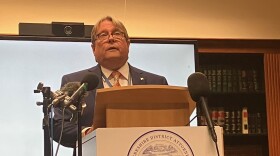 The Berkshire County District Attorney has cleared Officer Jeffrey Spratt of any crime for the Jan. 7 killing of Biagio Kauvil, who was having a mental health crisis.
 -
 Northampton is among the Massachusetts cities ready to give out grants from the state’s opioid settlement fund. The state is set to get $1 billion dollars from the national settlement with drug makers over the two decades.
 -
 We learn about the convergence of art, healthcare, policy and research at the "Art for the Common Good" convention at UMass. Plus, we check in with Rep. Jim McGovern about what's new in Washington.
 -
The Trump administration does not want children to have access to gender-affirming care — and is using federal policies and financial threats to make that happen. Massachusetts is among the states assuring families the care will be protected. But those promises are hard to keep when hospitals, including Baystate Health in western Massachusetts, stop providing the treatment on their own.


PBS, NPR and local perspective for western Mass.
Play Live Radio
Next Up:
0:00
0:00
Available On Air Stations


